



























Why Hospitals, Diagnostic Labs, and Pharmacies Rely on HF RFID
Far beyond a mere operational upgrade, RFID technology is now a cornerstone of clinical, diagnostic, and pharmaceutical operations—minimizing human error, optimizing workflows, and supporting regulatory compliance. By adopting a system-driven approach, centered around HF RFID, healthcare facilities worldwide have transformed their operations into safer, more secure, and cost-effective systems.
The Hidden Costs of Manual Inefficiency
Beyond the obvious risks to patient safety, manual workflows create a hidden 'tax' on clinical productivity. In a high-pressure environment, every time a technician is forced to aim and scan a barcode, they are diverted from high-value clinical tasks to low-value data entry. Also, when errors inevitably occur, the cost is not just the price of a new reagent or the time spent re-testing; it is the compounding effect of delayed treatment cycles and risks to patient safety. By shifting to a system-led model, organizations stop spending their budget on 'failure costs'—the expensive, reactive measures required to fix errors after they happen—and start investing in 'prevention costs' that pay dividends in consistent, predictable, and scalable performance.
Why HF RFID
While Ultra-High Frequency (UHF) RFID—specifically the RAIN RFID protocol—is standard in logistics and other sectors, High-Frequency (HF) RFID is well suited for clinical and pharmacy settings:
- Superior Performance with Liquids and Metal: Clinical environments are full of metal storage racks, liquid-filled vials, and foil-backed medications, all of which interfere with long-range UHF signals. Short-range HF RFID is designed to work reliably around these materials.
- Precision Tracking for Clinical Safety: Because HF RFID’s signal is short-range, it reads only the specific item placed directly in front of the reader, preventing accidental scanning or "ghosting" of adjacent items.
- Optimized for Confined Spaces: Laboratories and pharmacies store hundreds of items in tight quarters. HF RFID can pinpoint a single vial from a packed tray without signal interference.
- Tag Data Security: Encrypted HF tags secure medication data, enabling instant drug authenticity verification before administration.
Maximizing Pharmacy Operations Through Proximity Scanning
In the hospital pharmacy, the transition to HF-RFID-based systems is a fundamental shift toward operational precision. Relying on manual workflows is a significant drain on human resources; pharmacies risk losing up to 55%1 of staff time to manual inventory tasks.
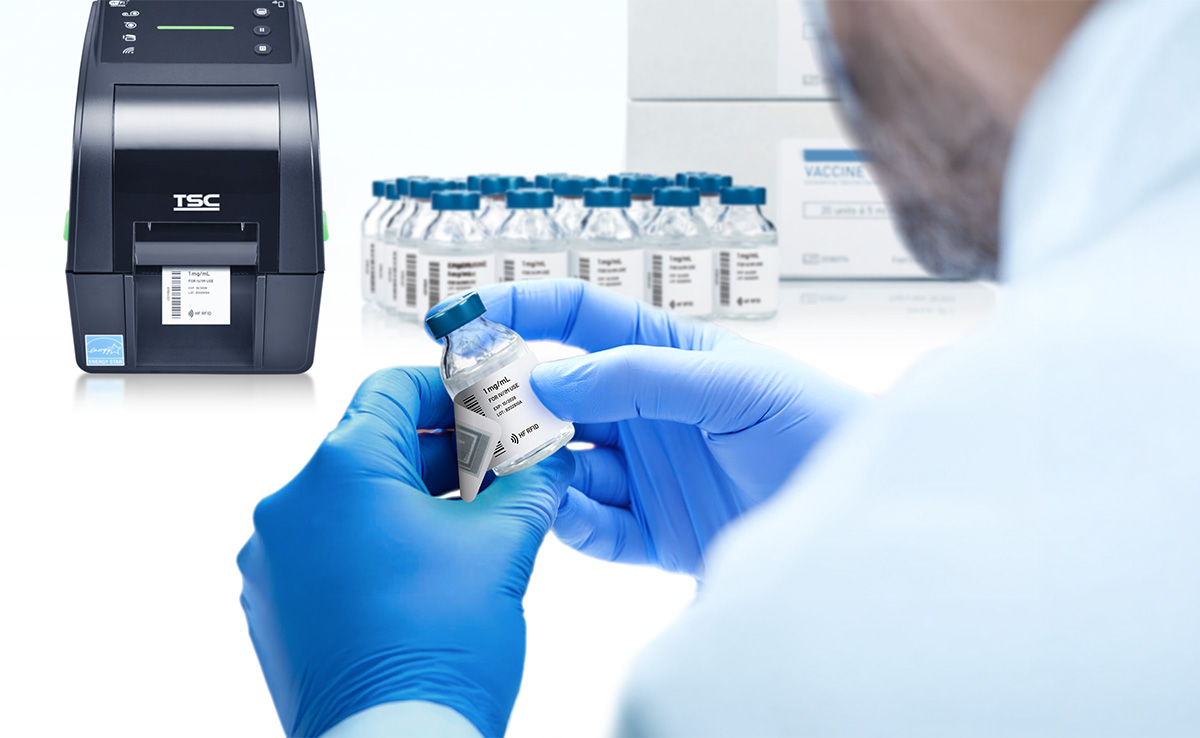
Unlike barcode-based systems that require manual, line-of-sight scanning, HF RFID enables instant, proximity-based verification. By utilizing HF RFID, technicians can instantly match item contents against inventory lists. Leveraging RFID labels that store critical metadata—such as drug identity, lot number, and expiration date—allows pharmacies to automate key stages of medication management. This includes cold chain integrity, efficient expiry tracking, and streamlined recall management—empowering staff to immediately pinpoint and isolate a compromised lot and remove bad batches from circulation before they ever reach a patient.
In Canada, North York General Hospital transformed its workflow by replacing manual verification with an HF RFID-enabled automated restocking system. The impact of this approach included:
- Operational Precision: The hospital achieved 100% accuracy in its tray processing.
- Time Savings: The system saved an average of 4.9 minutes per tray, directly increasing staff availability for patient-centered tasks.
- Safety Metrics: The facility eradicated an estimated 2,664 manual tray errors annually.2
The financial case for HF RFID extends far beyond simple labor savings. While the 55% reduction in manual inventory time is a significant immediate gain, the long-term ROI is found in the prevention of waste and asset optimization:
Reducing Shrinkage and Wastage: Expired medications and lost diagnostic samples represent a significant, often uncounted, cost. By providing reliable item verification at key handling points, HF RFID supports 'First-Expired, First-Out' (FEFO) inventory management. This drastically reduces the volume of expired stock that must be disposed of annually.
Scaling Performance: As healthcare facilities face pressure to handle higher volumes with existing staff levels, manual systems eventually hit a threshold where the risk of error increases exponentially with volume. System-led care removes this ceiling. Because HF scanning validates data instantly upon proximity, technicians can verify large batches far faster than with barcodes, allowing facilities to grow without requiring a linear increase in headcount.
Ensuring Diagnostic Reliability and Chain of Custody
Clinical diagnostic facilities are high-stakes environments where error rates can reach as high as 9.3%3, with manual handling and transcription being the primary culprits. HF RFID transforms these environments by creating an automated "closed-loop" system that ensures a secure chain of custody for every specimen.
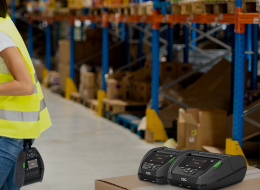
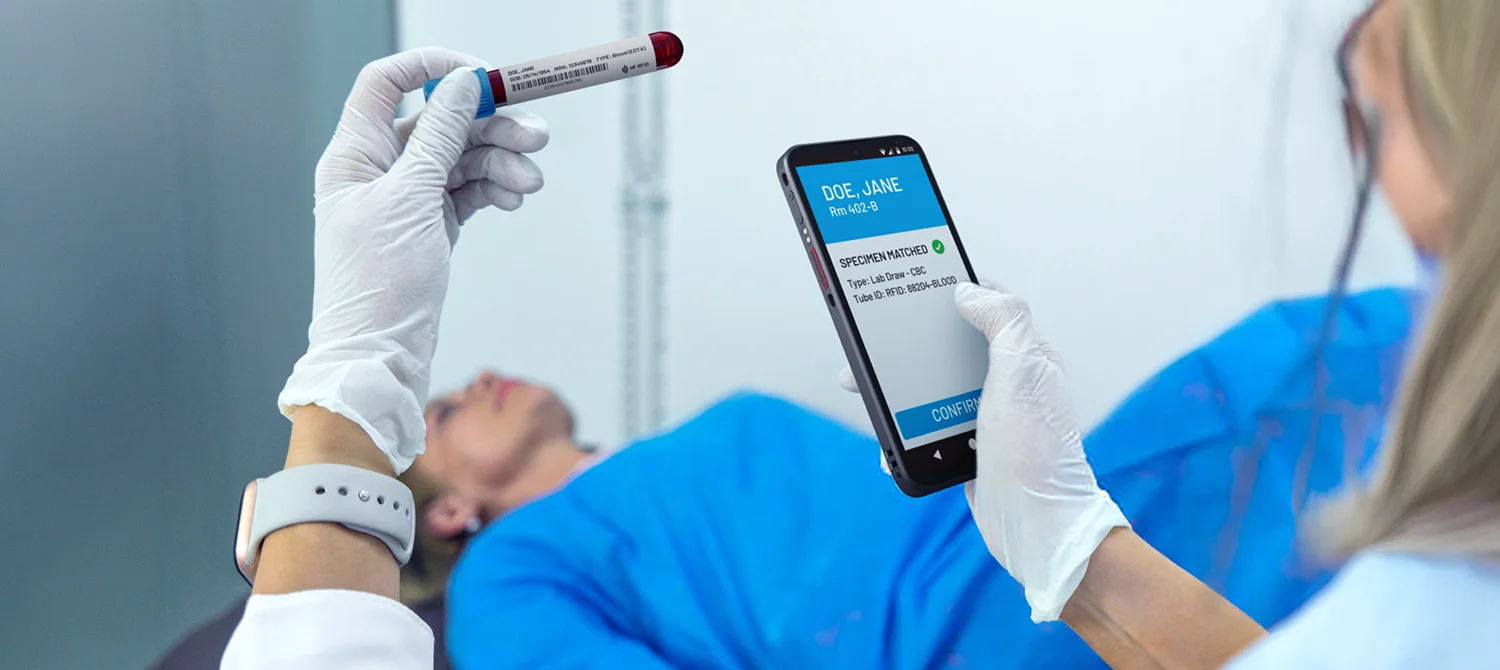
In high-volume settings, the shift from a manual three-step (aim, scan, confirm) barcode scanning workflow to HF RFID creates a system that automatically verifies items at key checkpoints. While automated bulk tray systems handle batch processing, clinical workflows also require mobile flexibility; a technician working with an isolated sample or a nurse verifying a single medication outside of a bulk tray can use a secure enterprise mobile computer to audit the item on the spot. This results in:
- Continuous Chain of Custody: Using HF RFID to create a continuous digital trail ensures specimen integrity from collection to analysis.
- Simplified Root Cause Analysis: Allows staff to identify the exact point of failure in a transit path, replacing manual guesswork with actionable data.
- Closing the Operational Loop: Automating data collection seals gaps in the testing process, allowing the facility to handle higher volumes without increasing technician workload.
Case in point, the Mayo Clinic’s endoscopy department previously relied on a three-step manual barcode scanning process. By switching to an HF RFID-based system, the clinic saw a 93%4 reduction in missing or wrong labels in just three months. For operations leads, this illustrates the immediate and tangible impact of HF RFID in shifting a culture from error-prone human vigilance to system-led reliability.
The Benefits of System-Led Care
By replacing item-by-item manual scans with proximity-based verification, HF RFID technology turns workstations and mobile touchpoints into a self-reporting environment. This acts as a 'safety net' that upholds the five rights of medication administration (right patient, right medication, right dose, right route, right time) and ensures specimen integrity through a digital 'handshake'. When a medication or specimen is tagged with an HF RFID inlay, it gains a permanent, unique digital identity. Unlike barcodes, which are passive and dependent on a human hand to orient them toward a laser, HF RFID tags interact instantly whenever brought near a reader.
As an item moves through a checkpoint, the system logs its presence automatically. If a technician attempts to pull a medication that has reached its expiration date, or if a specimen or medication is routed incorrectly, the system provides an immediate alert. This validation happens directly within the existing workflow, preventing errors before they reach the patient.
Furthermore, as regulatory standards tighten—often prioritizing automated, digital records over paper logs—HF RFID provides necessary 'regulatory readiness.' The ability to verify item identity and status eliminates the guesswork that can lead to regulatory fines, which can reach up to $1.5 million5 per violation in some healthcare settings. Ultimately, this reliable data foundation also prepares healthcare systems for the integration of future technologies, such as AI.
Important Considerations for Successful Adoption
Moving to an HF RFID system is a strategic change in facility operations. To ensure success, leaders should:
Identify Your Checkpoints: Locate high-traffic areas, like workstations and point-of-care touchpoints, where automated verification provides the most value, rather than attempting to cover every inch of the facility.
Prioritize Seamless Interoperability: Confirm that the HF RFID system acts as a data source that integrates easily with your existing electronic health records or software.
Ensure Robust Data Security: Confirm that RFID-captured data transfers securely into existing hospital management systems. Safeguarding this information during integration protects patient privacy and meets regulatory standards.
Beyond the technical infrastructure, the most successful implementations are those that treat adoption as a cultural evolution rather than just an IT upgrade.
Building a Culture of Digital Stewardship: Resistance to new technology often stems from concerns that automation might replace people. Leaders should frame HF RFID not as an overseer, but as a partner. Emphasize that the system is designed to catch preventable errors—the wrong medication selected in a rush or a sample left behind—which actually helps to lower the stress levels of staff.
Cross-Departmental Collaboration: Successful deployment requires breaking down the silos between pharmacies, labs, and IT. Establish a multidisciplinary task force early. This ensures that the data being collected is not just 'trapped' in one system but flows into the broader hospital information system (HIS) to provide actionable insights for procurement and administration, turning a departmental tool into a hospital-wide strategic asset.
Get Started with HF RFID Today
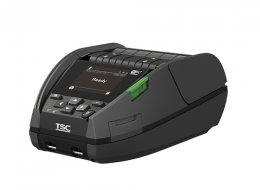
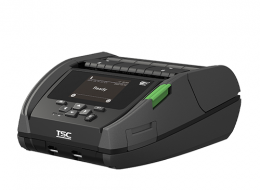
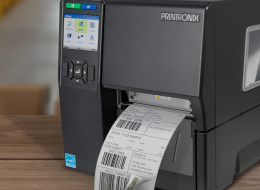
Transitioning to this technology is a major milestone, and you do not have to navigate it alone. TSC Auto ID has a broad range of RFID products—including its HF RFID-capable TH DH Series printers, the award-winning X40 enterprise mobile computer, and specialized consumables—all supported by deep technical expertise. As a trusted expert, TSC Auto ID can guide your project from initial consultation to final deployment. Don't let manual errors continue to impact clinical efficiency and patient safety. Contact an expert today to discover how TSC Auto ID's printers, enterprise mobile computers, and solutions can be tailored to your facility's exact workflow.
1 Batson, S., Herranz, A., Rohrbach, N., Canobbio, M., Mitchell, S. A., & Bonnabry, P. (2020). Automation of in-hospital pharmacy dispensing: A systematic review. European Journal of Hospital Pharmacy, 28(2), 58–64. https://doi.org/10.1136/ejhpharm-2019-002081
2 Rolko, E., & Chan, T. (2015). Implementation of Radio Frequency Identification for Medication Tray Management. The Canadian Journal of Hospital Pharmacy, 68(5), 374–379. https://doi.org/10.4212/cjhp.v68i5.1490
3 Goswami, B., Singh, B., Chawla, R., & Mallika, V. (2010). Evaluation of errors in a clinical laboratory: a one-year experience. cclm, 48(1), 63–66.
4 Norgan, A. P., et al. (2020). Radio-Frequency Identification Specimen Tracking to Improve Quality in Anatomic Pathology. Archives of Pathology & Laboratory Medicine, 144(2), 189–195
5 Vanderpool, D. (2013). HIPAA—Should I be worried? PMC. https://pmc.ncbi.nlm.nih.gov/articles/PMC3552464/